Total: ₹1,950,000.00
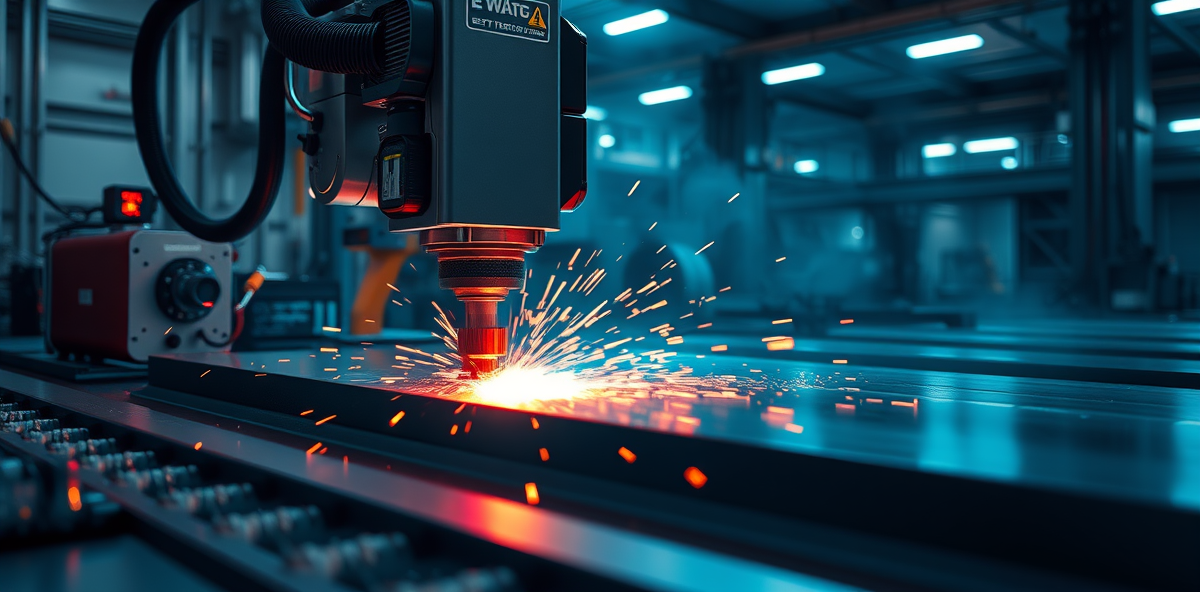
The landscape of modern manufacturing is continuously evolving, driven by the relentless pursuit of precision, speed, and efficiency. At the forefront of this revolution stands the Laser Cutting Machine, a technology that has redefined capabilities across countless industries. These advanced systems combine the unparalleled power of fiber lasers with the intricate control of Computer Numerical Control (CNC) technology, delivering exceptional results that were once considered unattainable.
For engineers, factory owners, and manufacturing companies, understanding the nuances of this transformative technology is not just beneficial—it’s essential for maintaining a competitive edge. This comprehensive guide will demystify the CNC fiber laser cutting machine, exploring its core principles, diverse applications, undeniable benefits, and critical considerations for selection, maintenance, and its future impact on manufacturing.
Fiber laser technology represents a significant leap forward in laser material processing. Unlike traditional CO2 lasers that use a gas mixture to generate a beam, fiber lasers produce a laser beam within a specialized optical fiber doped with rare-earth elements like ytterbium, erbium, or neodymium. This optical fiber acts as the gain medium, where the light is generated and then guided through a flexible fiber optic cable to the cutting head.
This method of beam generation and delivery offers several distinct advantages. The beam path is entirely enclosed and flexible, eliminating the need for complex mirror alignment systems often found in CO2 lasers. The resulting laser beam is highly concentrated, with a very small focal spot and exceptional beam quality. This allows for extremely precise and fast cutting, especially when performing metal laser cutting.
The fundamental process begins with diode lasers pumping light into the active fiber. This energy excites the rare-earth ions, causing them to emit photons. These photons are then amplified as they travel through the fiber, creating a powerful, coherent laser beam. This beam is then focused through a lens system onto the material’s surface, where its intense energy melts and vaporizes the material, creating a clean, narrow cut. This inherent efficiency and robust design make fiber laser technology a cornerstone of high-performance manufacturing.
The versatility of the Laser Cutting Machine extends across an impressive array of industries and materials, making it an indispensable tool for modern fabrication. Its ability to achieve high precision and speed has opened doors for innovation in numerous sectors.
Here are some key application areas:
The ability of the CNC fiber laser cutting machine to process a broad spectrum of metals, including highly reflective materials like copper and brass, with high efficiency and superior edge quality, underscores its indispensable role in today’s manufacturing landscape.
Investing in a CNC fiber laser cutting machine offers a multitude of benefits that directly impact productivity, cost-efficiency, and product quality. These advantages make it a preferred choice over traditional cutting methods for many industrial applications, especially for metal laser cutting.
Unmatched Precision and Accuracy: Fiber lasers produce an extremely fine beam with a very small kerf width, allowing for the creation of intricate designs and highly accurate parts. This minimizes material waste and ensures components meet stringent dimensional tolerances, critical for complex assemblies.
Superior Speed and Efficiency: With high absorption rates for metallic materials and focused beam intensity, fiber lasers cut significantly faster than other laser types, particularly on thinner sheets. This translates directly into reduced cycle times and increased throughput, boosting overall production capacity.
Exceptional Material Versatility: CNC fiber laser cutting machines are proficient at cutting a wide range of metallic materials, including carbon steel, stainless steel, aluminum, copper, and brass. They are especially effective on reflective metals that pose challenges for other laser technologies, expanding manufacturing possibilities.
Lower Operational Costs: Fiber lasers boast high electrical efficiency, converting a larger percentage of input energy into useful laser light compared to CO2 lasers. They also have fewer consumables (no laser gas required, longer diode life), leading to reduced running costs and a lower total cost of ownership.
Minimal Material Distortion and Heat-Affected Zone (HAZ): The concentrated energy and fast cutting speeds of fiber lasers mean heat input into the material is localized and brief. This significantly reduces thermal distortion and the size of the heat-affected zone, resulting in parts with better mechanical properties and minimal need for secondary finishing processes.
Robust and Low Maintenance: The solid-state design of fiber lasers, with the beam delivered via an optical fiber, eliminates the need for complex mirrors and optical components that require frequent alignment and cleaning. This leads to higher uptime, greater reliability, and lower maintenance requirements.
Enhanced Automation and Integration: Designed for seamless integration with CNC systems, these machines offer advanced automation capabilities. This includes automatic material loading and unloading, nesting software for optimized material utilization, and remote monitoring, enabling lights-out manufacturing and greater operational autonomy.
These compelling benefits underscore why CNC fiber laser cutting machines have become a cornerstone technology for manufacturers seeking to optimize production, enhance quality, and reduce operational overheads.
Selecting the optimal Laser Cutting Machine is a critical decision that can profoundly impact your operational efficiency and profitability. Manufacturers must consider several key factors to ensure the chosen equipment aligns perfectly with their production needs and long-term objectives.
Material Types and Thicknesses: First and foremost, identify the specific types of metals and their thickness ranges you intend to cut. Different laser powers and machine configurations are optimized for varying materials. A 1kW fiber laser is suitable for thin sheets, while a 12kW or higher system is necessary for thicker plates and faster processing.
Laser Power Requirements: The laser source power (e.g., 1kW to 30kW+) directly correlates with cutting speed and the maximum material thickness it can handle. Higher power leads to faster processing and the ability to cut thicker materials, but also increases the initial investment and power consumption. Balance your production volume and material demands with power needs.
Work Area (Bed Size): Consider the typical dimensions of your raw materials and finished parts. Machine bed sizes vary significantly, from small format for intricate components to large format for full sheets. Choosing the right size optimizes material utilization and minimizes handling.
Automation Features: Evaluate the level of automation required. Features like automatic pallet changers for material loading and unloading, automatic nozzle changers, and integrated sheet storage systems can dramatically reduce manual labor and improve throughput, especially in high-volume environments.
Software and User Interface: The CNC control system and accompanying nesting software are vital. Look for intuitive interfaces, powerful nesting algorithms to maximize material yield, and seamless integration with your existing CAD/CAM workflows. User-friendly software reduces training time and operational errors.
Budget and Return on Investment (ROI): Assess the initial capital expenditure against the projected savings and increased revenue. Consider not just the purchase price, but also installation costs, operational expenses (electricity, gas, consumables), and maintenance. A higher initial investment might yield a quicker ROI through improved efficiency and quality.
After-Sales Support and Service: Reliable technical support, readily available spare parts, and responsive service are paramount. Downtime can be costly, so choose a supplier with a strong reputation for customer service and a local presence if possible. This includes training for your operators and maintenance staff.
Careful consideration of these factors will guide you toward a Laser Cutting Machine that meets your current production demands and offers scalability for future growth.
In the competitive landscape of industrial machinery, selecting a partner that delivers cutting-edge technology, reliability, and unparalleled support is crucial. Lemon Laser stands as a leading provider of advanced manufacturing solutions, specializing in high-performance CNC fiber laser cutting machines designed to meet the rigorous demands of modern industries.
Our commitment to innovation is reflected in every Laser Cutting Machine we produce. We integrate the latest advancements in fiber laser technology with robust CNC controls, ensuring our clients benefit from superior cutting precision, lightning-fast speeds, and exceptional operational stability. Lemon Laser machines are engineered for durability, maximizing uptime and minimizing maintenance interruptions, which is vital for continuous production environments.
Beyond the advanced hardware, Lemon Laser prides itself on comprehensive customer support. From initial consultation and tailored machine configuration to professional installation, operator training, and responsive after-sales service, we ensure a seamless integration into your workflow. Our technical experts are always on hand to provide guidance, ensuring your investment delivers optimal performance and a swift return.
Choosing Lemon Laser means partnering with a company dedicated to your success, providing not just a machine, but a complete solution that empowers your manufacturing capabilities, drives efficiency, and elevates your product quality. Whether you need a powerful Laser Welding Machine or a precision cutting solution, Lemon Laser has the expertise and technology to support your ambitions.
To ensure the longevity, peak performance, and consistent output quality of your Laser Cutting Machine, adherence to a structured maintenance schedule and best operational practices is essential. Proper care not only extends the machine’s lifespan but also safeguards your investment and maximizes productivity.
Regular Cleaning of Optics and Nozzles: The focal lens, protective windows, and nozzles are critical components. Dust, debris, and spatter can significantly degrade beam quality and cutting performance. Clean these components daily or as per manufacturer recommendations using appropriate optical cleaning solutions and lint-free wipes. Replace nozzles and protective windows when they show signs of wear or damage.
Chiller System Maintenance: The chiller system maintains the optimal operating temperature of the laser source and cutting head. Regularly check and clean the chiller’s filters and condenser coils to ensure efficient heat dissipation. Monitor the coolant level and quality, topping up or replacing as necessary to prevent overheating and component damage.
Beam Alignment and Calibration: Although fiber lasers are largely maintenance-free in terms of beam alignment compared to CO2 lasers, periodic checks by qualified technicians are still recommended. Ensure the beam path and focus are correctly calibrated for optimal cutting performance and edge quality.
Lubrication of Moving Parts: All linear guides, ball screws, and other moving components require regular lubrication to reduce friction and wear. Use the manufacturer-specified lubricants and adhere to the recommended lubrication schedule to maintain smooth and accurate motion.
Fume Extraction System Maintenance: A well-functioning fume extraction system is crucial for operator safety and maintaining a clean cutting environment. Regularly clean or replace filters to ensure efficient removal of smoke, dust, and particulate matter generated during the cutting process.
Software Updates and Backups: Keep the machine’s control software and nesting programs updated to the latest versions to benefit from performance enhancements and bug fixes. Regularly back up your machine’s parameters and job files to prevent data loss.
Operator Training and Safety Protocols: Ensure all operators are thoroughly trained on the machine’s operation, maintenance procedures, and safety protocols. Emphasize the importance of wearing appropriate personal protective equipment (PPE), such as laser safety glasses, and understanding emergency stop procedures.
By implementing these maintenance and operational tips, you can significantly prolong the life of your CNC fiber laser cutting machine, maintain high-quality output, and ensure a safe and efficient working environment.
The trajectory of laser technology in manufacturing points towards even greater integration, intelligence, and capability. The Laser Cutting Machine, already a powerhouse of precision, is poised for continuous evolution, driven by advancements in artificial intelligence, automation, and material science.
One prominent trend is the further integration of AI and Machine Learning into CNC systems. This will enable predictive maintenance, where machines can anticipate component failures before they occur, drastically reducing downtime. AI will also optimize cutting parameters in real-time, adapting to material variations and tool wear to ensure consistent quality and efficiency without human intervention. This also applies to other laser technologies like the Laser Welding Machine, where precision and adaptability are key.
We can expect to see higher power fiber laser sources becoming more accessible, allowing for faster processing of even thicker materials and the exploration of new material combinations. Multi-axis cutting capabilities will become more sophisticated, enabling the production of highly complex 3D parts with greater ease and accuracy, broadening the scope of what is achievable in advanced manufacturing.
Furthermore, the development of hybrid manufacturing systems, which combine fiber laser cutting with other processes like additive manufacturing (3D printing) or laser welding, will create new paradigms for part creation. These integrated solutions will streamline production, reduce material waste, and open up possibilities for creating bespoke components with unparalleled functionalities.
The future promises a manufacturing environment where CNC fiber laser cutting machines are not just tools, but intelligent, autonomous, and interconnected systems forming the backbone of smart factories, driving unprecedented levels of productivity and innovation.
The CNC fiber laser cutting machine has unequivocally transformed the landscape of modern manufacturing, offering an unparalleled blend of precision, speed, and versatility. From intricate components for the aerospace and medical industries to large-scale sheet metal fabrication, this technology continues to set new benchmarks for quality and efficiency. Its inherent benefits, including lower operating costs, minimal material distortion, and robust automation capabilities, make it an indispensable asset for any forward-thinking industrial operation.
As we navigate the complexities of global manufacturing, the strategic adoption of advanced technologies like fiber laser cutting is not merely an upgrade—it’s a fundamental requirement for innovation and sustained growth. By understanding the core principles, diverse applications, and critical selection criteria, manufacturers can harness the full potential of these machines to optimize production, enhance product quality, and secure a competitive advantage in an increasingly demanding market. The future of manufacturing is here, and it is being shaped, cut, and perfected by the power of the CNC fiber laser cutting machine.